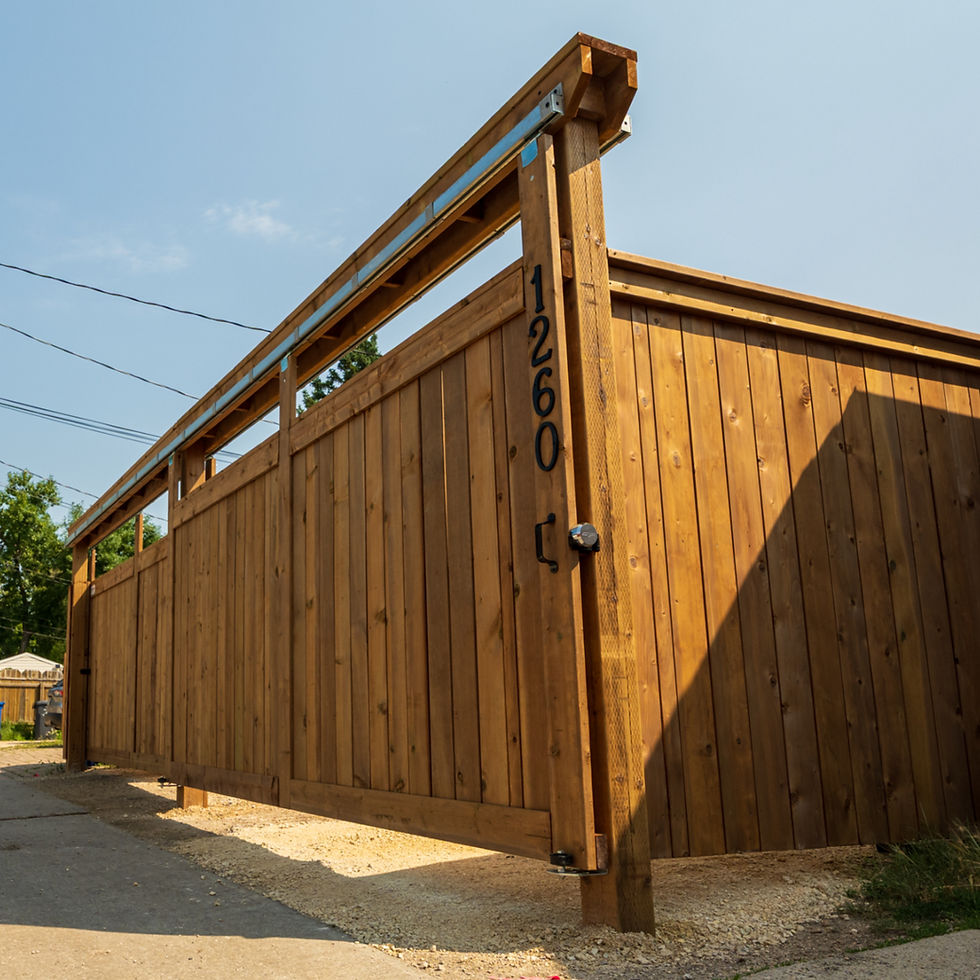
Wood Fence Staining in Winnipeg: When to Do It and What to Use
Staining Your Fence Is One of the Best Things You Can Do for It
A wood fence in Winnipeg takes a lot of punishment. The freeze-thaw cycle, UV exposure, rain, snow, and wind all work against the wood over time. Staining or sealing your fence is the single most effective thing you can do to slow that process down and keep your fence looking great for years longer than it would without any treatment. Here is what you need to know about doing it right.
When Should You Stain a New Wood Fence?
New pressure-treated wood needs time to dry out before the stain can absorb properly. Fresh pressure-treated lumber contains moisture from the treatment process, and if you apply stain too soon, it will not penetrate the wood the way it should and will peel or flake prematurely. The general rule is to wait at least six months to a year after installation before applying your first coat of stain.
A simple test to check if the wood is ready: sprinkle a few drops of water on the surface. If the water beads up, the wood still has moisture and is not ready. If it absorbs into the wood quickly, it is dry enough to stain.
How Often Should You Re-Stain a Wood Fence in Winnipeg?
In Manitoba's climate, most wood fences benefit from re-staining every two to four years, depending on the quality of the product used and how much sun and weather exposure the fence gets. A fence on the south side of a property that gets full sun all day will need more frequent attention than one in a shaded area. A good quality semi-transparent or solid stain will typically last three to four years before it starts to show wear and needs a fresh coat.
What Is the Best Time of Year to Stain a Fence in Winnipeg?
Late spring through early fall is the ideal window for staining a fence in Winnipeg. The temperature needs to be above 10 degrees Celsius for most stains to cure properly, and the wood needs to be dry, not still holding moisture from spring snowmelt or recent rain. A warm, dry stretch of weather in late May, June, or August gives you the best conditions. Avoid staining in direct hot sun, as this can cause the stain to dry too quickly and streak.
Solid Stain vs. Semi-Transparent: Which Should You Use?
Semi-transparent stains let the natural grain of the wood show through and give the fence a more natural look. They penetrate the wood deeply, which is excellent for protection, but they require more frequent reapplication than solid stains. They work best on newer fences in good condition.
Solid stains provide more complete coverage and last longer between coats. They are a better choice for older fences where the wood has some weathering, and you want a more uniform, consistent colour. They are also easier to apply evenly on a fence with boards of varying ages or conditions.
Tips for Getting a Good Result
Clean the fence before you stain it. Dirt, mildew, and old stain residue will prevent the new coat from absorbing properly. A pressure wash followed by a day or two of drying time is the best way to prep the surface. Apply stain with a brush or roller rather than a sprayer when possible, as it gives better penetration and more consistent coverage. Work with the grain of the wood and apply in sections to avoid lap marks.
A Well-Maintained Fence Lasts Significantly Longer
A wood fence that is stained regularly will outlast an untreated fence by years. It is one of the most cost-effective ways to protect your investment and keep your yard looking its best. If you are thinking about a new fence and want it built to last, we would love to help.
Antoine Leblanc
A+ Fences | Surround Yourself with Quality